As the FIFA World Cup approaches, a surprising trend has surfaced among England's fans, revealing a lack of confidence in their national team's chances. Just one in five English supporters believe the Three Lions will emerge victorious, despite their status as one of the tournament favorites. This level of skepticism is particularly striking when compared to the fervent backing that fans in other European nations express for their squads.
Fan Confidence: A Comparative Analysis
Recent data released by Entain, the parent company of major bookmakers Ladbrokes and Coral, highlights the disparity in patriotic betting habits across Europe. While only 20% of English bets are placed on the national team, Portugal leads with a staggering 57%, followed by France at 29%, Austria at 25%, and Germany at 24%. That’s a striking contrast and raises questions about the cultural and psychological factors that affect local fan loyalty. This discrepancy isn't just about numbers; it reflects a deeper sentiment tied to national identity and historical expectations.
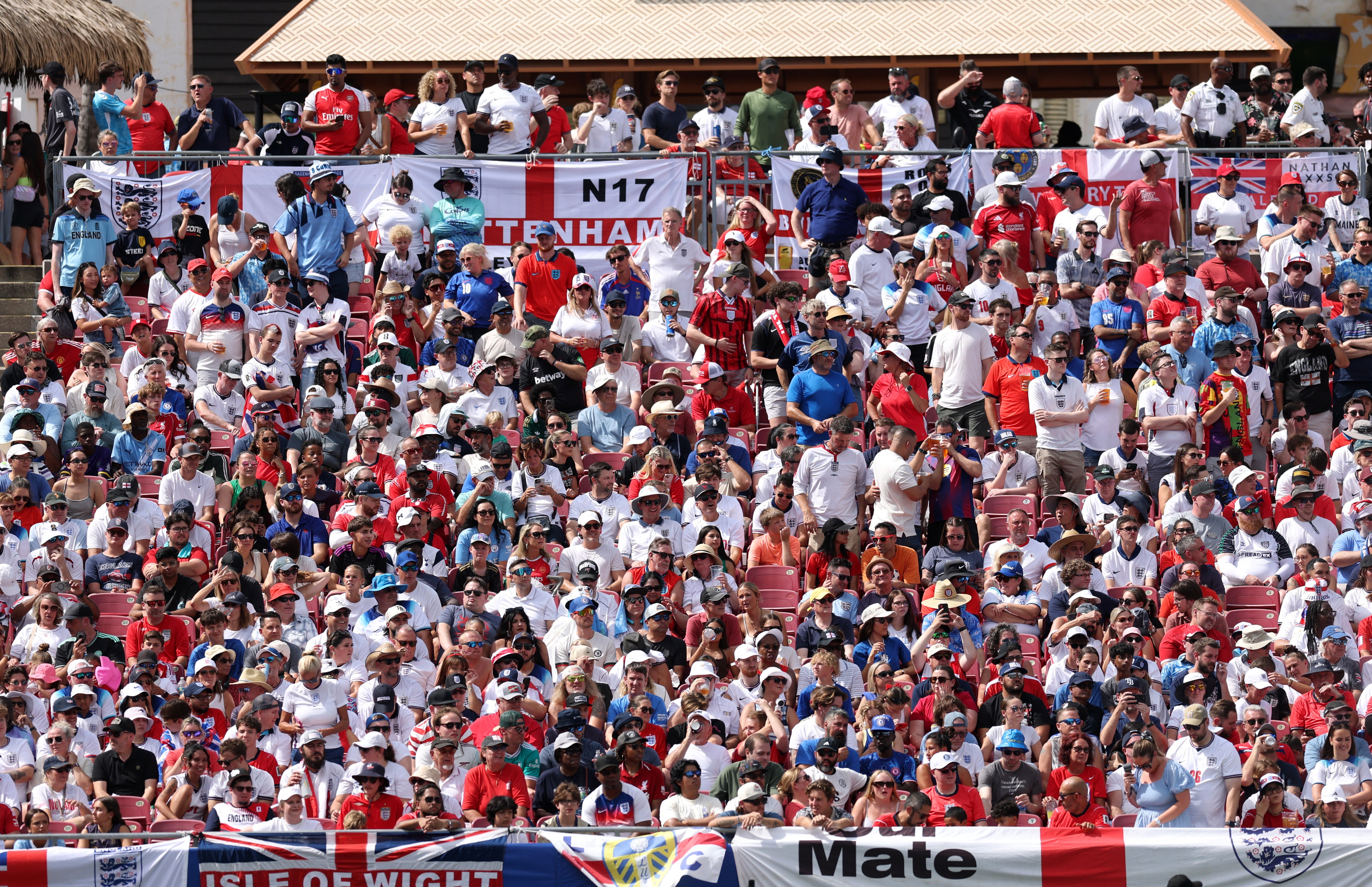
Scotland's backing is even more muted, with merely 9% of Scottish bettors putting money on their own team, currently seen as a long shot at 300/1 to claim the title. This prevalent skepticism, particularly within the UK, sketches a contrast to the patriotic fervor seen in other nations. England fans gather to watch the Three Lions warm-up game against New Zealand — the marked dip in optimism speaks volumes. In many countries, betting on one's own team serves as a badge of national pride, but in England and Scotland, such expressions of loyalty are being overshadowed by a history of disappointment in major tournaments.
What Drives These Trends?
The hesitant enthusiasm among England fans may stem from a history of near misses in international tournaments, leaving a residue of doubt in their minds. This isn't just casual pessimism; it’s a reflection of the emotional toll that past failures have taken. Tom Ritzema, Entain’s group trading director, points to the mismatch between fan loyalty and betting logic. He notes that while England fans are undeniably passionate, their experiences have led them to hedge their bets, literally and figuratively. This ambivalence isn't surprising—after all, repeated heartbreak can make even the most fervent supporters cautious.
This ambivalence finds stark expression in the betting rings: despite knowing their team can perform, many choose to hedge their loyalty. (And this is the part most people overlook.) A point underscored by the relative lack of cross-support among other nations. Only 8% of Scots are betting on England, while a mere 1% of English bettors are backing Scotland. These numbers demonstrate a compartmentalized national pride that may not translate into betting enthusiasm. It raises the question: when a nation has historically underperformed, can the fans reconcile their loyalty with their expectations?
The Global Picture: Betting and National Pride
When examining the global betting market, a different picture emerges. Spain stands out as the most backed team overall, with 16% of bets going to the home side, but even that pales compared to Portugal's impressive backing. The overarching theme is clear: while England remains a competitive squad, fans are looking beyond national borders to place their confidence. It’s almost paradoxical—England has a talented roster, yet the emotional baggage seems to overshadow their potential.
Ritzema reflects on this trend, saying, "Portugal clearly stands out as the most patriotic market, with fans firmly backing their team, while countries like France and Germany also show strong belief." What’s striking here is that as fans grapple with their own team’s past, they seem to be shifting their allegiance to more confident alternatives. This trend of switching support could indicate a broader cultural phenomenon where national identity and recent performance outweigh traditional loyalties.
Does this mean that national teams need to perform better to secure fan support? It certainly seems to be a factor.
Implications for Stakeholders
As we step into the World Cup, stakeholders across the sporting and betting industries should take note of these dynamics. The apparent disconnect between fan enthusiasm and betting behaviors is a signal that goes beyond simple numbers. Understanding the psychological barriers among fans could present opportunities for engagement strategies aimed at boosting local support. This isn't merely about marketing strategies; it requires taking into account the emotional investment of fans, which often reflects a broader story of national identity and past disappointments.
If you're working in this space, the lesson is clear: cultivating confidence in national teams might be as significant as the teams themselves in shaping the betting environment. Given the historical context and emotional stakes, how can organizations rebuild that trust and enthusiasm? Through targeted campaigns that celebrate past victories while emphasizing the present potential of the team? Time will tell, but stakeholders must tread carefully; fan sentiments can be as fickle as the outcomes of the matches themselves.