The failed plan to sell private stakes in Fifa’s commercial arm has sharpened questions about Gianni Infantino’s ties to Donald Trump. A congressional inquiry that had been constrained by Democrats’ minority status could bring renewed pressure for records and testimony from the Fifa president. The dispute now sits at the intersection of Fifa’s commercial plans, its relationship with political power in the United States, and the rules governing Infantino’s tenure. Each issue raises a different question, but they converge on how much scrutiny the organization is willing to accept.
Congress seeks documents and answers
On July 26, Democrats on the House Judiciary Committee opened an inquiry into what they called a “sustained campaign” by Fifa and Infantino to cultivate favour with the US president. The committee requested documents and testimony. That wording signals a broad line of inquiry: lawmakers are seeking to understand the relationship and the activities around it, rather than focusing on a single public appearance or decision. The request itself doesn’t establish wrongdoing, but it creates a record of what the committee has asked Fifa to explain.
A committee spokeswoman said on September 23 that Fifa’s cooperation had been “woefully inadequate.” Democrats’ midterm election gains could give the panel authority to issue subpoenas backed by criminal penalties, increasing the stakes for Infantino. That possibility changes the practical weight of the inquiry: a voluntary request can be resisted or answered selectively, while a subpoena carries a more formal obligation to respond. The prospect of stronger powers may also make the existing gaps in Fifa’s response more consequential, even before any new documents or testimony emerge.
The spokeswoman said committee staff had received a briefing on litigation related to Fifa’s bribery scandal, but that the organization had not provided priority documents. Those records, she said, could clarify how much money Fifa had given the Trump family, answer questions about the awarding of the Fifa Peace Prize, and explain the origins of a proposed World Cup venture involving Jared Kushner and Infantino. Each subject points to a different kind of scrutiny: financial connections, the rationale for an award, and the development of a commercial proposal. The committee’s ability to assess those issues depends in part on records that can establish who was involved and how decisions were made.
For now, the public account is defined partly by what the committee says it hasn’t received. That leaves a gap between the questions lawmakers are asking and the evidence available to answer them. Fifa’s response to that gap will shape whether the inquiry remains a political dispute over access or develops into a more detailed examination of specific decisions.
A commercial proposal draws opposition
Two days after the inquiry began, The Times reported that Infantino was developing a plan to sell private investors stakes in Fifa Forward Enterprise (FFE). Fifa later confirmed that FFE would manage commercial operations for the World Cup and other tournaments. The proposal therefore concerned control over a business vehicle tied to some of the organization’s most prominent competitions. Selling stakes in such an entity would bring outside investors into a part of Fifa’s commercial structure, making the identity of the proposed investors and the terms of any deal subjects of natural interest.
The proposed investor group was led by Thrive Capital, founded by Joshua Kushner, brother of Trump’s son-in-law Jared Kushner. Fifa dropped the proposal on August 1 after three continental confederations opposed it. Among them was UEFA, which threatened a tournament boycott. The proximity between the investor group’s family connections and the committee’s questions gives the proposal added political significance, though the reported links alone don’t establish that the inquiry and the commercial plan were coordinated. What they do is make transparency around the proposal more important to public understanding.
The plan’s collapse also shows that Fifa’s leadership faces constraints within football itself. Continental confederations can oppose a central initiative when they believe it threatens their interests, and UEFA’s boycott threat raised the cost of pressing ahead. The proposal wasn’t simply abandoned after a quiet internal review; Fifa faced organized resistance from bodies with a direct stake in the sport’s governance. That matters because it shows how commercial decisions can become tests of institutional authority.
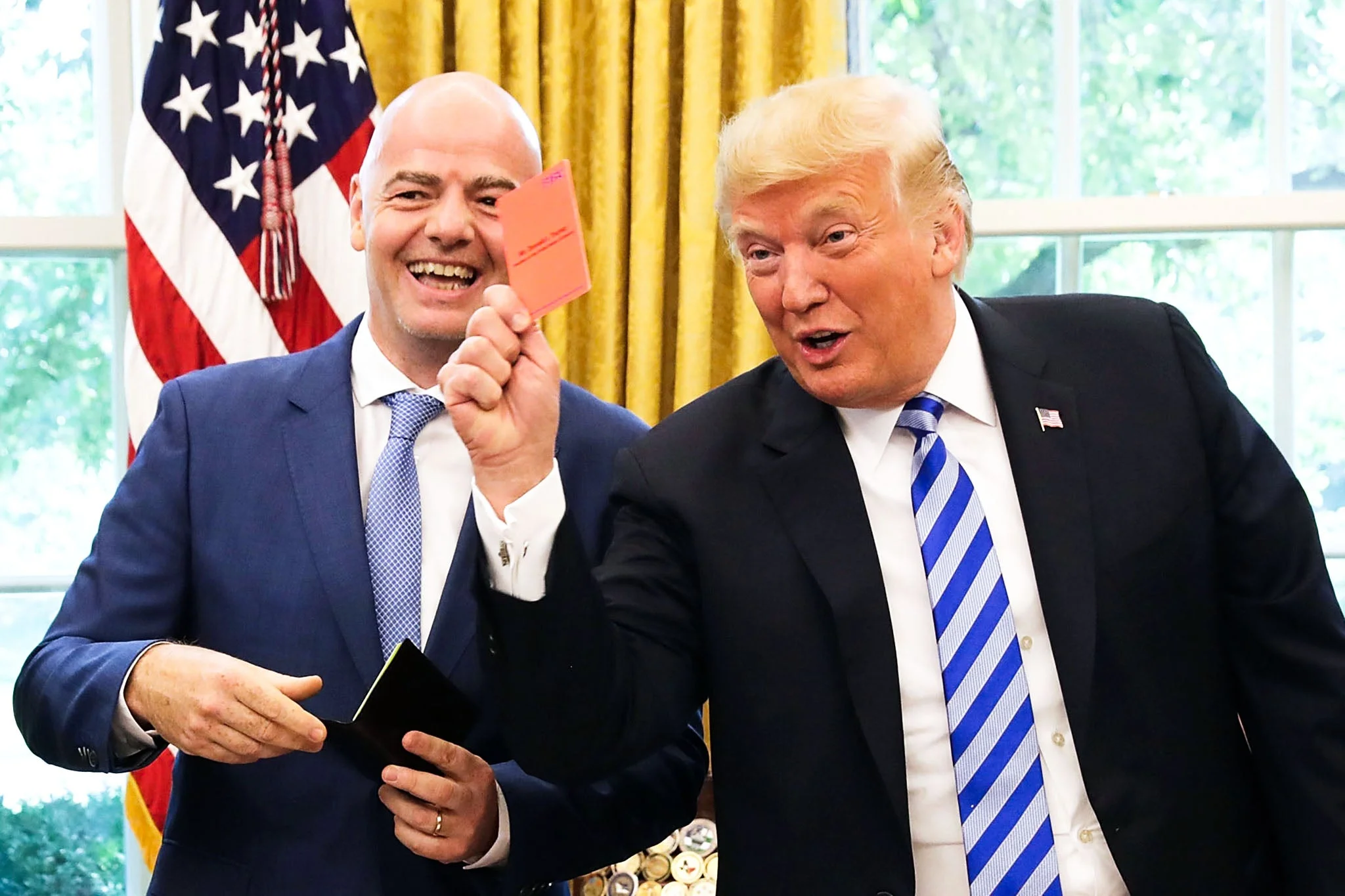
UEFA said it had “lost confidence” in Infantino and would put forward an opposing candidate in the next Fifa presidential election. With two weeks left before the nomination deadline, it had not named one. The declaration is a clear challenge, but a promised rival candidate isn’t yet a competing campaign. Until a name is put forward, it’s difficult to judge whether the opposition can turn its criticism into a serious electoral contest.
Term limits add another front
Infantino appears to retain strong backing across Africa, Asia, Oceania and South America. Still, campaign group FairSquare has urged national associations to challenge his eligibility for a fourth term. That puts the focus on the rules that determine how long a president may serve, as well as on the political support needed to contest those rules. Support across several regions can matter in an election, while a dispute over eligibility can keep the governing framework under scrutiny before voting begins.
Fifa’s statutes limit presidents to three terms. On the eve of the 2022 World Cup final, the Fifa Council ruled that Infantino’s first period in office, from 2016 to 2019, wouldn’t count toward that limit, leaving him eligible to run again in 2027. The ruling is central to the current challenge: the question isn’t only how many terms the statutes allow, but how Fifa interprets when that count begins. A contested interpretation can affect the next election even if the rule’s wording remains unchanged.
This is more significant than it looks. The inquiry, the failed investment proposal and the term-limit dispute each concern accountability in a different setting: access to records, internal checks on commercial decisions, and the boundaries of executive tenure. None, on its own, determines the outcome of Infantino’s next campaign. Together, though, they give national associations and outside observers more than one reason to ask how decisions are made and who can challenge them.
What the disputes could mean for Fifa
If you’re working in this space, the practical question is whether these disputes produce clearer answers or simply deepen the standoff. Congressional demands could bring more information into public view if Fifa provides the requested records or lawmakers gain the authority to compel them. Inside football, UEFA’s opposition may carry more weight if it becomes an organized electoral effort. And the term-limit challenge will turn on how associations respond to the council’s earlier ruling. None of those paths is settled by the facts available so far.
Here’s the thing: Fifa’s commercial reach gives its governance choices consequences beyond internal administration. A proposal involving private stakes in tournament operations invites scrutiny over who stands to gain influence, while a presidential term-limit ruling shapes who can lead the organization. (And this is the part most people overlook.) The processes behind those choices may matter as much as the decisions themselves, because they determine whether others can review, question or contest them.
For now, Infantino appears to retain broad regional backing, while facing pointed opposition from UEFA, FairSquare and congressional Democrats. The next signs to watch are concrete: whether the committee receives its priority documents, whether UEFA names a candidate, and whether national associations take up the eligibility challenge. A fragmented set of disputes. But each tests how much accountability Fifa’s leadership will face from outside and within the organization.