A possible exit puts United’s academy strategy under scrutiny
Manchester United could lose one of its highest-rated academy prospects after reports said JJ Gabriel has agreed personal terms with Real Madrid. A January move is being discussed, but the reported agreement hasn’t settled the question of whether or when he’ll leave. The clubs haven’t held talks, and United remains due compensation if he departs.
That distinction matters. Personal terms describe an understanding between a player and a club; they don’t, by themselves, complete a transfer or resolve the arrangements between the clubs. For now, the public picture is of a potential move with important details still open. United’s compensation claim gives the club a financial interest in any departure, while Gabriel’s registration means he remains part of its academy through the end of the season.
A dispute over his development
Gabriel, who turned 16 last month, told United he wanted to leave in September. Since then, his representatives have been in contact with leading European clubs, including Bayern Munich and Barcelona. Reports on Wednesday said he’d chosen Real Madrid, although the absence of talks between the clubs leaves the practical route to a move unsettled. He’s thought to hold an EU passport, which would allow him to move to Spain at his age.
He remains registered with United’s academy through the end of the season, but hasn’t trained since a disagreement with club leaders over his development. His family were unhappy with his limited pre-season involvement and his absence from Champions League matches. United, meanwhile, took a cautious approach to his exposure while he was still 15. The dispute is therefore about more than a prospective destination: it also reflects different views on how quickly a young player should be brought into senior football.
For a teenager, opportunities to train and play at a higher level can shape how he and his family judge a club’s plans. But involvement in senior settings also carries demands that clubs must weigh against a young player’s welfare. Neither side’s position can be fully assessed from the details available here, and the gap between Gabriel’s family’s expectations and United’s approach appears to have become a central part of the story.
Manager Michael Carrick addressed the dispute in September, stressing the club’s responsibility to manage the young player’s welfare and playing exposure. “We’ve got to be really careful of the whole situation,” he said. “He’s a young boy ... from a club point of view, looking after our younger players – their welfare, their wellbeing, their exposure – we’ve got to be really conscious of that in this situation.” His comments set out United’s stated reasoning, though they don’t answer whether the club’s development plan matched what Gabriel and his family wanted.
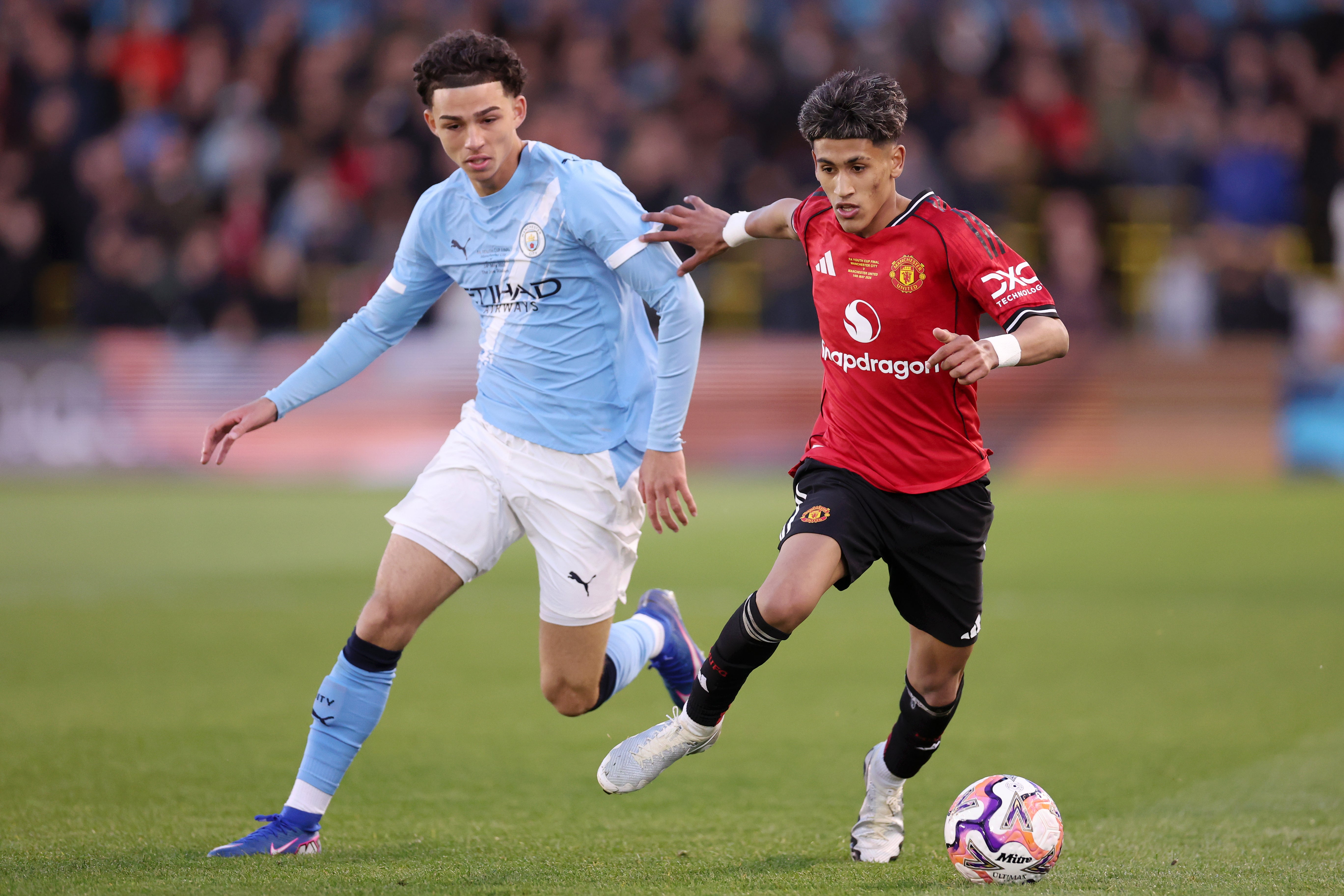
Why clubs are tracking Gabriel
Gabriel plays mainly as a left winger or No 10, roles that put a premium on attacking skill and decision-making. Raised in London, he spent time in the academies of Chelsea, Arsenal, West Ham and Queens Park Rangers before joining United’s youth setup at 11. His history across several established youth systems suggests he’s attracted attention for years, rather than appearing suddenly on the scene. He first drew widespread attention at eight, when a skills video went viral and earned him the nickname “Kid Messi.”
A viral clip can make a young player famous before there’s much evidence of how he’ll develop. It’s a useful marker of early public interest, but it can also create expectations that no teenager can reasonably be asked to meet. The more substantial case for Gabriel’s promise rests on his performances in United’s youth teams and the awards he’s received there.
Last season, he scored more than 20 goals for United’s Under-18 side, won the club’s Jimmy Murphy Young Player of the Year award as its youngest recipient, and was named Under-18 Premier League Player of the Season. Those results help explain the interest in a player widely regarded as one of the standout talents in his age group. They’re meaningful achievements, though they don’t settle what his next step should be or how quickly he should be expected to take it.
His record helps explain why leading clubs would track his progress. It doesn’t establish that a transfer is complete, or that a move would guarantee the pathway he wants. For a player this young, the quality of a development plan can matter as much as the reputation of the club offering it (and this is the part most people overlook). If you’re working in this space, the harder question is how a club makes its plans credible to a prospect and his family.
What the reported agreement means for United
Gabriel’s full name is Joseph O’Cearuill. He uses JJ Gabriel in football, reportedly for commercial reasons. The reported Madrid agreement puts United’s handling of a prized prospect under scrutiny, while the lack of club-to-club talks leaves the timing and terms of any move unresolved.
That uncertainty gives the story two distinct tests. United must manage a player who remains registered with its academy but hasn’t trained since the disagreement; Madrid, if the reports are accurate, must turn personal terms into a transfer arrangement with the club that holds his registration. The available details don’t show how either issue will be resolved.
This is more significant than it looks. When a prospect attracts attention from several major clubs, an academy’s decisions about playing time, welfare and communication become part of its ability to retain young talent. United’s cautious approach may reflect a sincere concern for Gabriel’s wellbeing; the family’s dissatisfaction shows that the approach hasn’t persuaded them. That tension is the real story behind the reported move.
For now, the reports point to a possible destination, not a completed departure. The next meaningful developments will be whether the clubs begin talks and whether Gabriel returns to training or continues to pursue an exit. Until then, United’s compensation entitlement and his academy registration keep the situation open. Unresolved, and closely watched.