Manchester United’s comeback against Roma gave Michael Carrick a reprieve and his players a reminder of what Old Trafford can sound like at full volume. My read is that the night bought him time, not proof of a recovery: the league form and squad problems behind the recent slump remain.
A comeback with history in the background
United began the evening in 24th place in the 36-team Champions League standings, below Bodø/Glimt and only narrowly ahead of Sabah. The gap between that position and the club’s reputation was hard to miss. Then the match turned, and the crowd’s energy became part of the story.
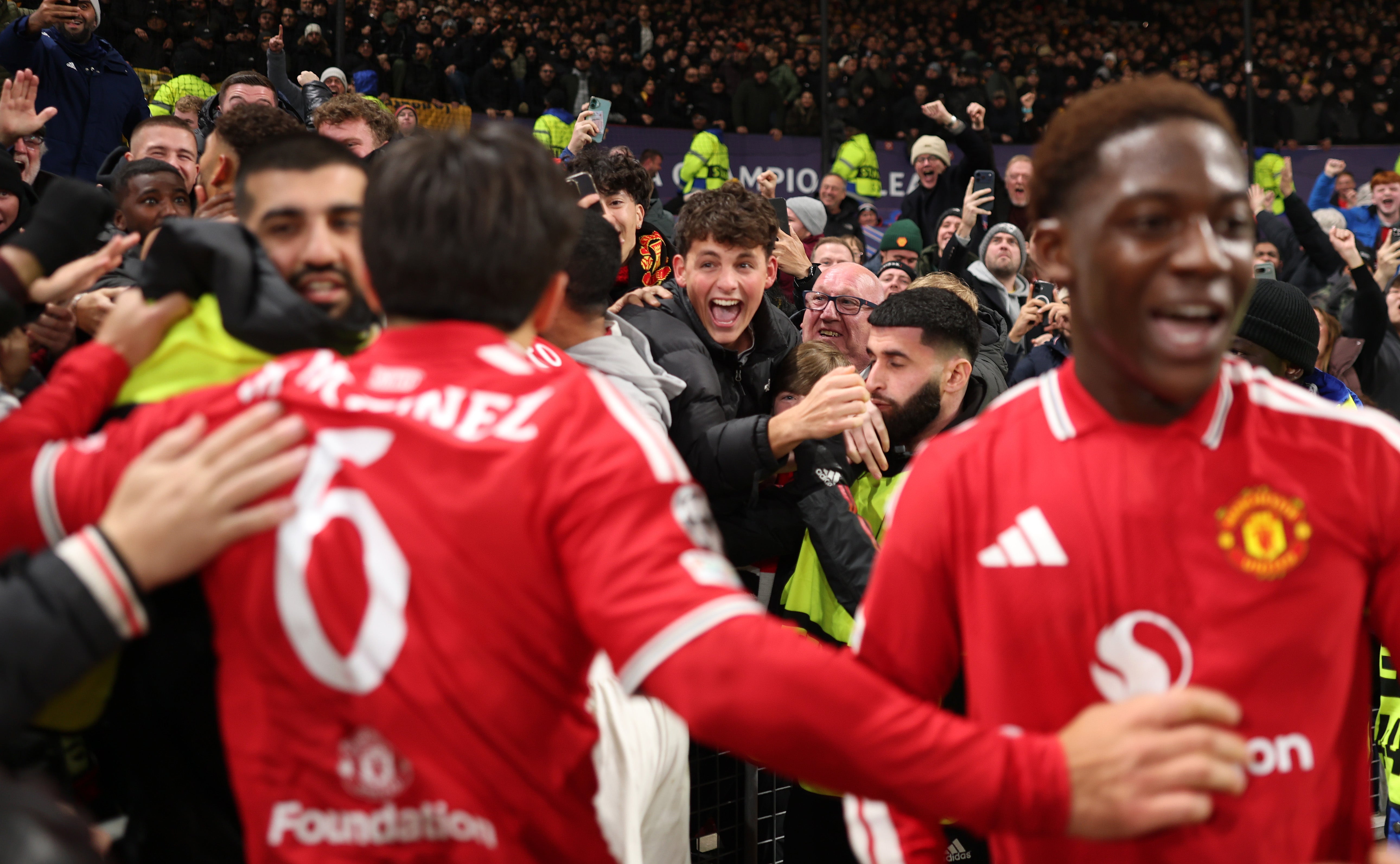
Carrick acknowledged the ground’s pull without making it his whole message. “I don’t like to keep talking to the lads about what this place can do in history and what’s gone before them too much, but it’s there,” he said. United’s past can inspire a team in a difficult moment; it can also become a substitute for confronting how much the game, and the club, have changed.
That tension sits behind Sir Jim Ratcliffe’s plan to replace Old Trafford with a new stadium, which the club has described as a “sanity project.” The Roma result offered a pointed reminder of the value of the existing ground and its supporters. But United play half their matches away from home, and atmosphere alone isn’t a plan for sustained improvement.
European nights haven’t changed the pattern
United have enjoyed dramatic European wins during the 13-year malaise, yet those results have repeatedly offered managers only short-lived relief. David Moyes’s side overturned a 2-0 first-leg deficit to beat Olympiakos 3-0; he lasted about a month longer. Ole Gunnar Solskjaer’s team came back from two goals down against Atalanta to win 3-2, then his tenure continued for only a few weeks.
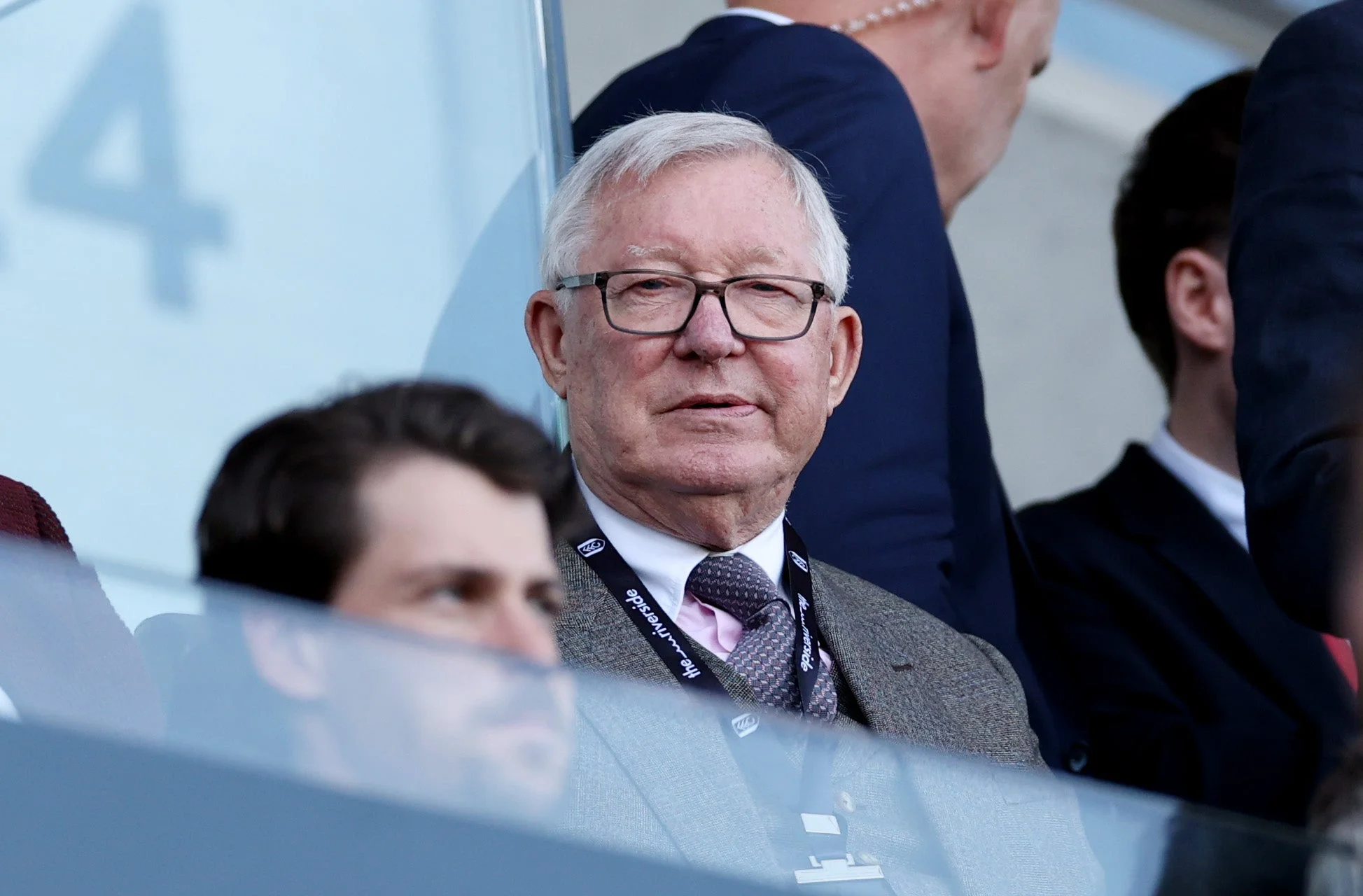
Ruben Amorim’s United also rallied from 4-2 down against 10-man Lyon to win 5-4, only to lose the Europa League final. Sir Alex Ferguson was watching against Roma, making comparisons with the famous comebacks of his era almost irresistible. The more useful comparison is with what followed those earlier rallies: none changed the direction of the club for long.
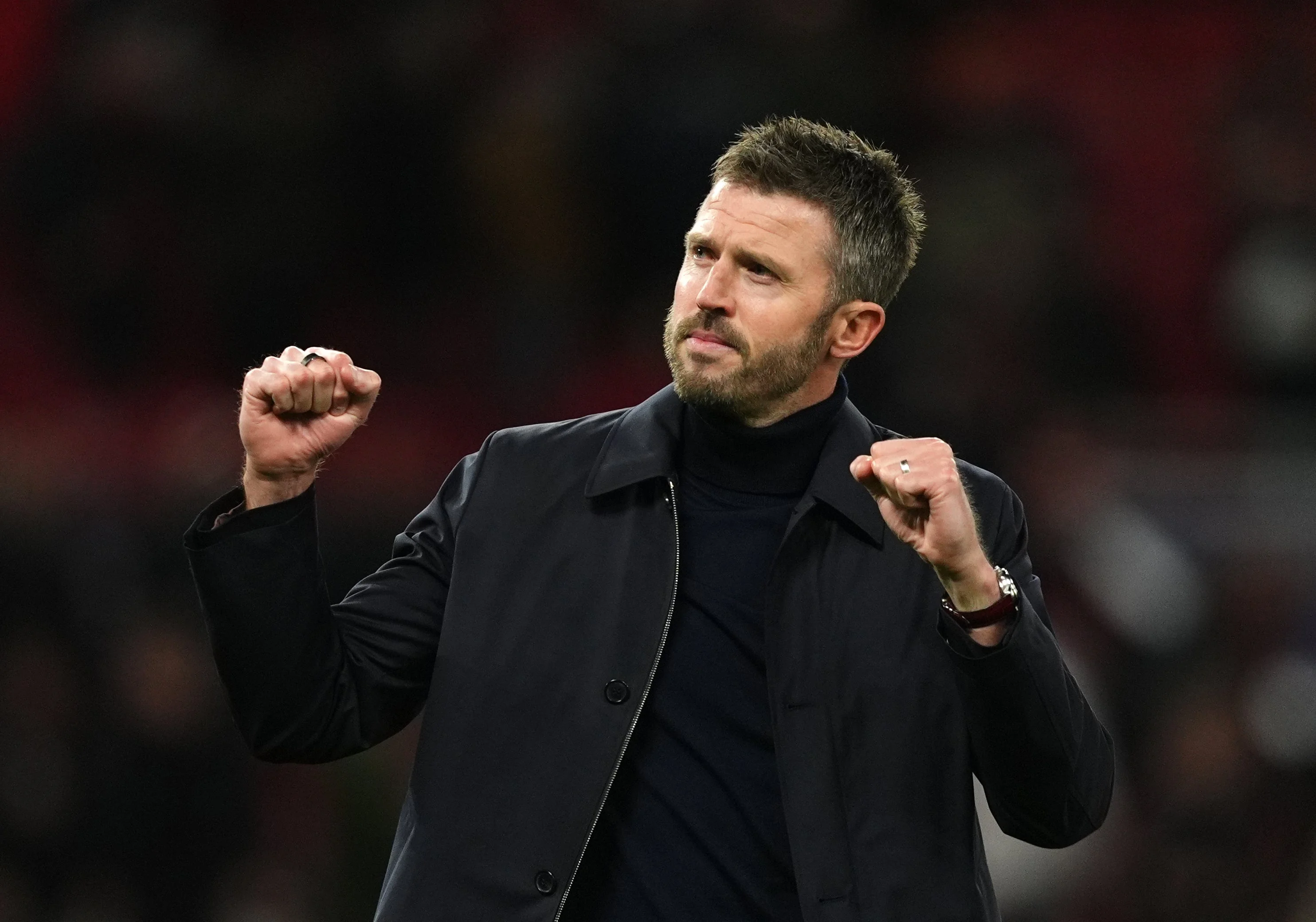
Carrick, who was on Solskjaer’s coaching staff, has already appeared close to the end of his own run. After a 3-0 home defeat to Bournemouth, sporting director Jason Wilcox and chief executive Omar Berrada seemed to have no clear successor ready. Following Saturday’s loss at Chelsea, his departure during the international break looked plausible. After Roma, staying in the role seems just as possible.
The league form still sets the terms
Before Matheus Cunha intervened against Roma, United were on course for a 10-game winless run in a single season for the first time since Carrick was born. They could also be bottom of the Premier League by the time they meet Aston Villa on Sunday. Liverpool follow after the break. Those are the conditions around Carrick’s reprieve, and they leave little room for a European result to settle the question.
The final 35 minutes against Roma did show the squad can play with urgency. United overwhelmed a side sitting third in Serie A, and the performance offered signs that the players haven’t stopped responding to Carrick. That matters after the defeats to Como and Bournemouth, though the collapse at Chelsea showed how quickly their self-destructive habits can return.
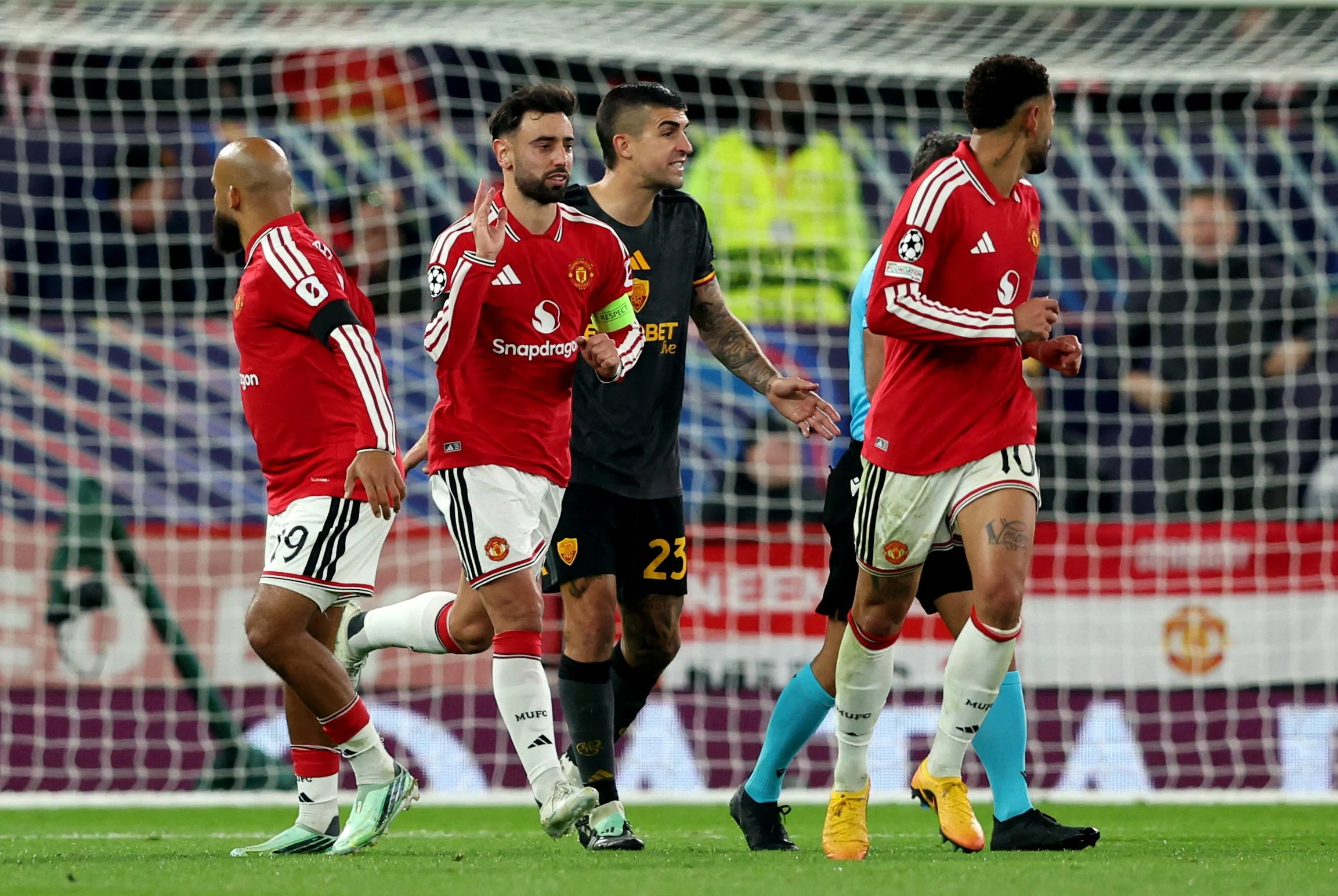
The relationship with the crowd remains uncertain, too. Lisandro Martínez was booed when he came on against Roma after his red card at Stamford Bridge, even as the team received cheers at full time. Bruno Fernandes took a step towards redemption, but one stirring finish can’t establish whether supporters trust the side again.
And the football problems are concrete. The left side of United’s defence has struggled all season; Martínez is suspended for Villa, while Ayden Heaven had a poor night against Roma. Midfield remains a weak point, and Carlos Baleba, the most mobile of the four available options, is injured.
Villa is the next measure
United now face stronger opposition in Villa and Liverpool. After the Lyon and Atalanta comebacks, they lost their next matches, making those wins look more like delays to a decision than turning points. Carrick may carry the Roma momentum into Sunday, but the performance will have to travel beyond Old Trafford’s walls.
For one night, the ground and the crowd helped United find a version of themselves that had been missing. Carrick’s challenge is to make that intensity repeatable against Villa, with the defensive and midfield issues still unresolved. The comeback has reopened his case; the next match will show whether it has changed anything.