A formal role for a lifelong supporter
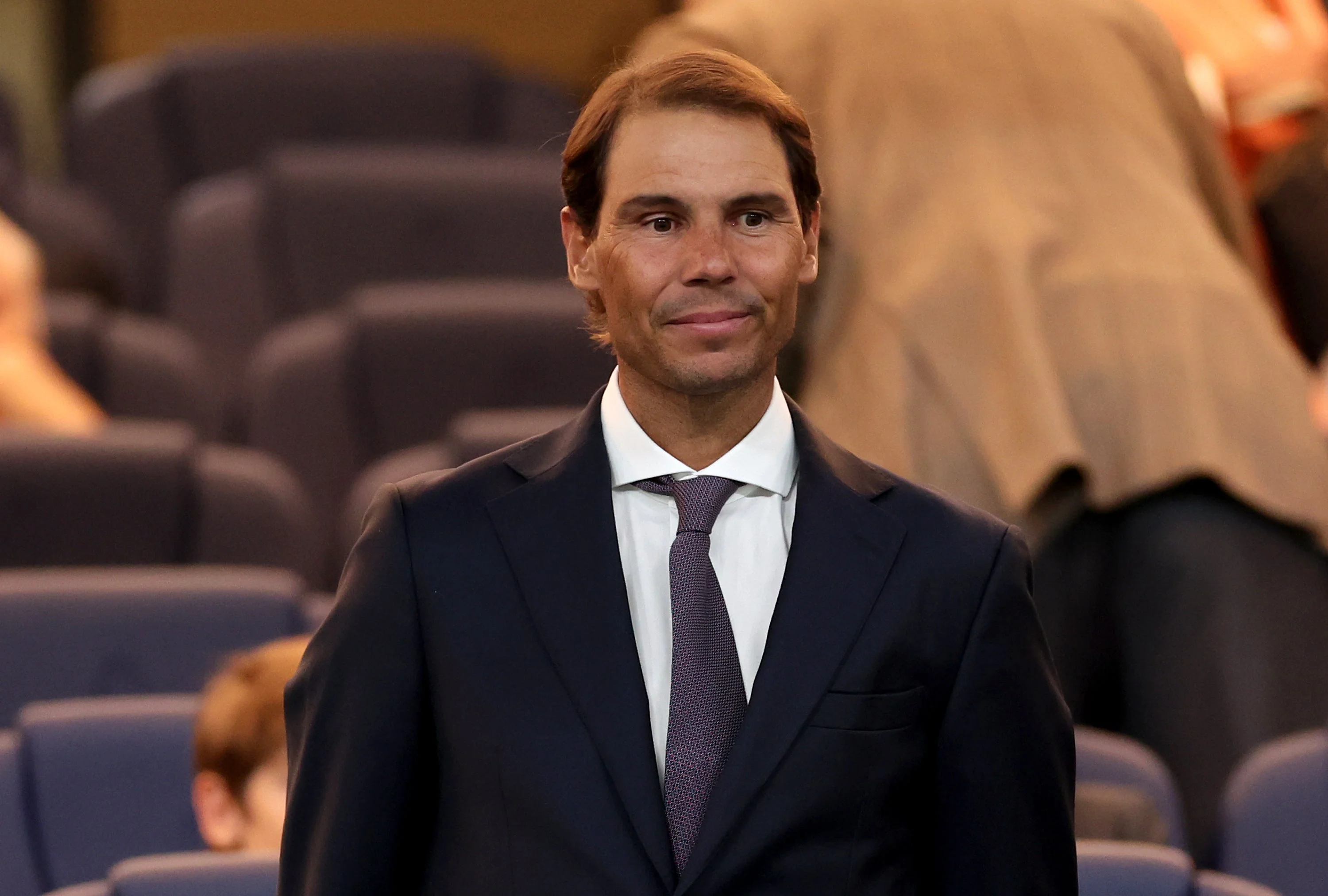
Rafael Nadal’s appointment to Real Madrid’s board formalizes a connection the tennis great has maintained since childhood. The club’s board agreed to the move at a meeting on Wednesday, but the appointment still needs ratification by the club’s delegate members’ general assembly. That makes the announcement a significant step, though the process isn’t complete yet.
The distinction matters. Nadal’s support for Real Madrid has been public for years, but a board appointment gives that relationship an official institutional dimension. The source doesn’t specify what duties he’ll take on, how often he’ll participate in board business, or what areas he might address. For now, the clearest facts are that the board has backed his appointment and that members must still approve it.
That leaves a straightforward next step for the club’s internal process. Ratification will confirm whether the board’s decision becomes a completed appointment; until then, the move remains pending. The announcement establishes the direction, not the practical shape of Nadal’s role.
A sporting career that carries unusual weight
Nadal retired from professional tennis in 2024 with 22 Grand Slam singles titles, including a record 14 French Open championships. His wider career tally includes 92 individual titles, two Olympic gold medals and five Davis Cups with Spain. He also reached world number one.
Those achievements give the appointment a profile beyond football. Nadal isn’t simply a well-known supporter joining a club board; he’s an athlete whose career has made him one of Spain’s most recognisable sporting figures. His record at the French Open, in particular, is a defining part of his public identity and an unusually clear measure of sustained success in one major competition.
That background doesn’t tell us what he’ll contribute to board decisions. Sporting achievement and governance are different kinds of experience, and the club hasn’t described a specific portfolio for him. Still, a figure with Nadal’s reputation can bring attention to an institution and lend personal credibility to its public image. The more useful question will be what the role asks him to do once the appointment is ratified.
A long-standing Real Madrid supporter
Nadal has held honorary membership at the club for years and regularly attends matches at the Bernabéu. He was a guest of honour at the 2022 Champions League final in Paris, where Real Madrid secured its 14th title in the competition. Those visible links help explain why the board appointment reads as a formal recognition of an established association rather than a sudden change in allegiance.
His support for Real Madrid has endured despite a family connection to its fiercest rival: his uncle, Miguel Ángel Nadal, played for Barcelona. That detail gives the story a personal wrinkle, but it doesn’t need to be inflated into a family feud. The reported facts show that Nadal’s own support has remained with Madrid, even as a close relative played for Barcelona.
In football, where rivalries often become part of a supporter’s identity, that connection is an easy detail to focus on. But the larger point is simpler: Nadal’s relationship with Madrid has lasted across his rise, peak and retirement from professional tennis. This is more significant than it looks. The club is turning a familiar presence in its stands into a formal representative within its governing structure.
What the club says Nadal brings
In its statement, Real Madrid called Nadal “one of the greatest legends in the history of sport and one of the most admired and recognised Spanish athletes in the world”. The club said his appointment was a source of pride and that he could contribute to its present and future. That language presents the move as both an honour and a statement about the kind of figure the club wants associated with its leadership.
Real Madrid also pointed to qualities it sees as shared between Nadal and the club: persistence, competitiveness, humility, respect for opponents and teammates, and commitment to solidarity. The statement described him as a role model on and off the court, whose example reaches millions around the world. These are broad terms, and the club hasn’t connected them to specific board responsibilities. Their value here is chiefly symbolic: they explain why Madrid believes Nadal fits its identity.
There’s a familiar logic to that choice. Sports organisations often seek prominent figures whose public reputations echo values they want to project. In Nadal’s case, the club is drawing on an image built through a long tennis career and on a supporter relationship it says has been longstanding. That said, public stature by itself doesn’t explain how a board member will affect the club’s work.
What the appointment could mean
Nadal thanked club president Florentino Pérez and the board for proposing his appointment. In a post on X, he said he had accepted “with great excitement, a desire to learn, and a willingness to contribute everything I can.” His wording signals enthusiasm while leaving the scope of his contribution open. The emphasis on learning suggests he sees the position as a new responsibility, rather than an extension of his tennis career.
If you’re working in this space, the practical details are the ones to watch: whether the delegate members ratify the appointment, and what the club says about Nadal’s role after that decision. The current announcement gives no answer on the latter. Until the responsibilities are clearer, claims about his influence on strategy or operations would go beyond what’s been reported.
There’s also a straightforward communications benefit for Real Madrid. A globally recognised athlete with a genuine connection to the club can attract attention to its institutions and reinforce its public identity. That benefit is real, but it isn’t the same as evidence of a change in how the board operates. The test will be whether Nadal’s presence carries a defined contribution as well as symbolic value (and this is the part most people overlook).
The board role gives an official dimension to Nadal’s support for Real Madrid. Delegate members’ ratification is the next step in completing his appointment. For now, the move joins two established parts of his public life: a record-setting tennis career and a longstanding attachment to the club. The formal role is new. The connection isn’t.