Owono speaks after fatal collision
Andorra goalkeeper Jesús Owono says he is struggling to process the death of Tenerife striker Jesús de Miguel, who suffered a cardiac arrest after the players collided during a Spanish second-division match. The collision happened during stoppage time, when Owono had left his penalty area to clear the ball and struck the 30-year-old forward in the chest. De Miguel died in hospital on Tuesday, a day after the incident, and Owono was sent off following the collision.
The sequence has left Owono confronting both personal grief and the public attention that follows a fatal incident on the pitch. A red card records the referee’s decision during play; it doesn’t explain the human consequences that followed. Those are now at the centre of the goalkeeper’s statement, as he describes being unable to make sense of what happened.
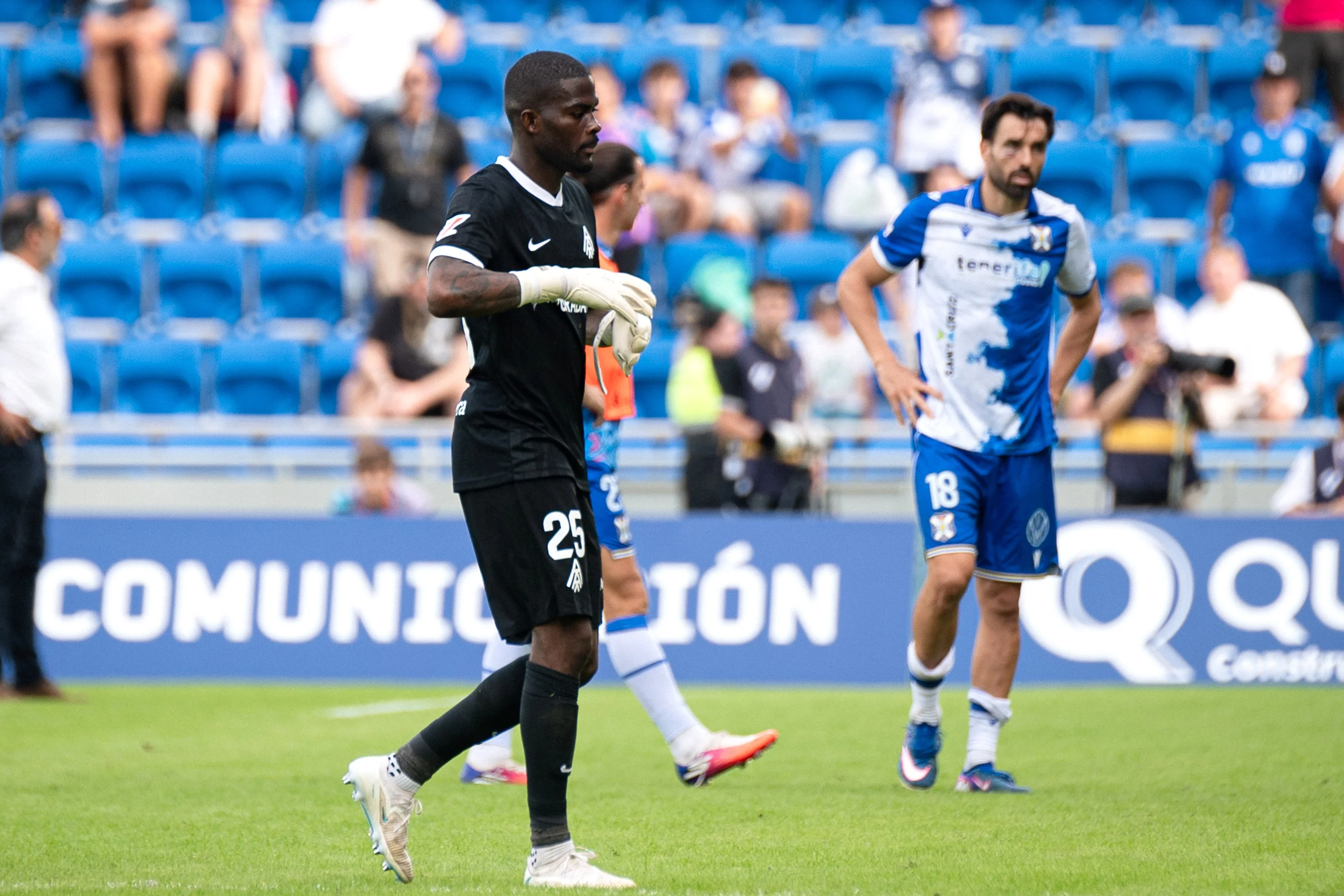
“These are the most difficult days of my life,” Owono, an Equatorial Guinea international, said in a statement issued by Andorra on Wednesday. “I’m struggling to find the words and finding it very difficult to process anything that has happened.” The statement offers no account of the collision beyond its immediate effect on him, and makes no attempt to explain away the outcome. Its focus is grief, and the difficulty of responding while the loss is still so raw.
He said his thoughts were with de Miguel, his family and those close to him. “I know there will be many issues to address, and I will face whatever comes with the utmost respect,” Owono said. “But right now, honestly, I can’t think of anything other than Jesus and the pain we are experiencing. Rest in peace, Jesus.” That reference to issues still to address leaves the future open, while making clear that Owono isn’t ready to discuss it in detail. For now, his words return to the player who died and the people closest to him.
Tributes and a memorial in Tenerife
Tenerife announced six days of mourning, and tributes have come from across football. Players observed a minute’s silence before Tuesday’s Champions League matches; the gesture is also planned before other UEFA fixtures this week. These public tributes give clubs and supporters a shared way to mark a loss, even when they didn’t know the player personally. They also place a second-division tragedy in view across a sport whose attention is often concentrated on its biggest competitions.
The gestures can’t capture the experience of de Miguel’s family or teammates, but they make the scale of the shock visible. A minute’s silence is brief. The mourning around it is not.
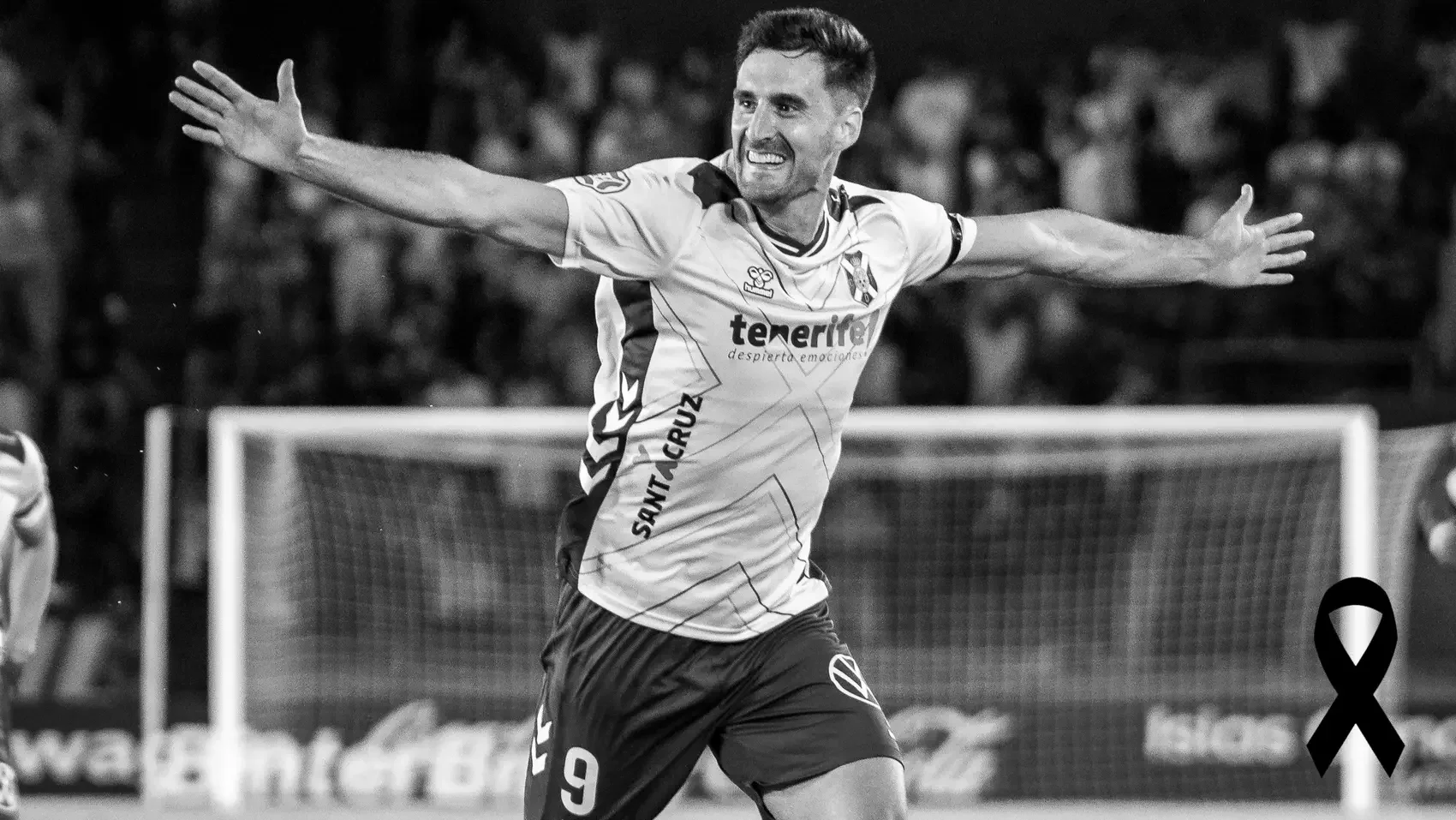
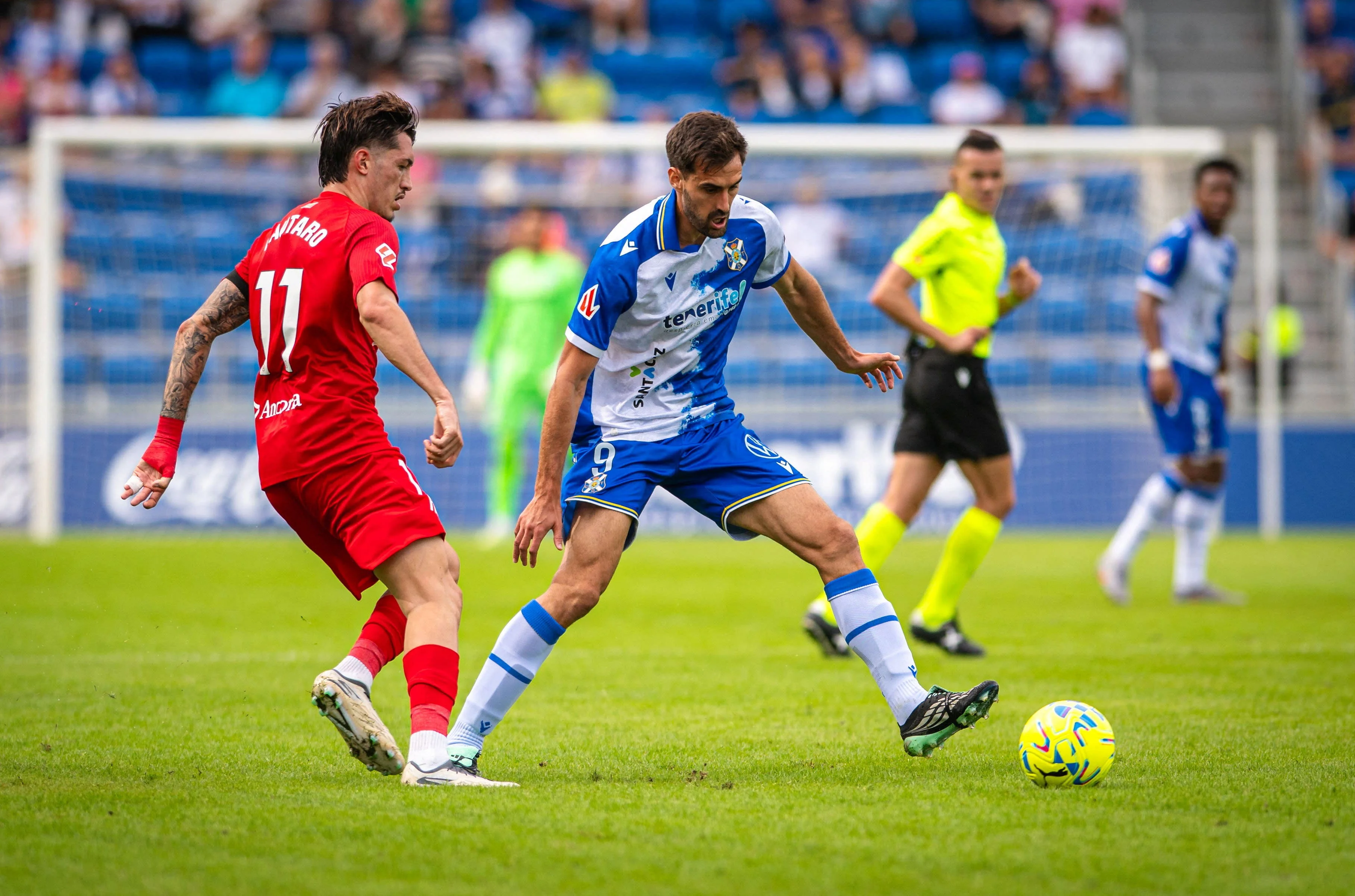

Owono faces grief in public
Owono deleted his Instagram account on Tuesday. Andorra defender Lautaro Spatz defended his teammate, saying Owono would never have intended to hurt anyone. “In football, unfortunate incidents happen, but no-one could imagine that one of these could end in such tragic circumstances,” Spatz said. His defence speaks to the distinction between intent and outcome, but it can’t lessen the loss or settle the questions raised by the incident.
That distinction matters in the immediate reaction, when the goalkeeper’s role in the collision can draw attention before the grief he and the other players are experiencing is understood. Owono’s own statement acknowledges that there will be “issues to address”, while declining to speculate about them. Here’s the thing: a public expression of sorrow isn’t an explanation of every circumstance surrounding a death, and it shouldn’t be treated as one.
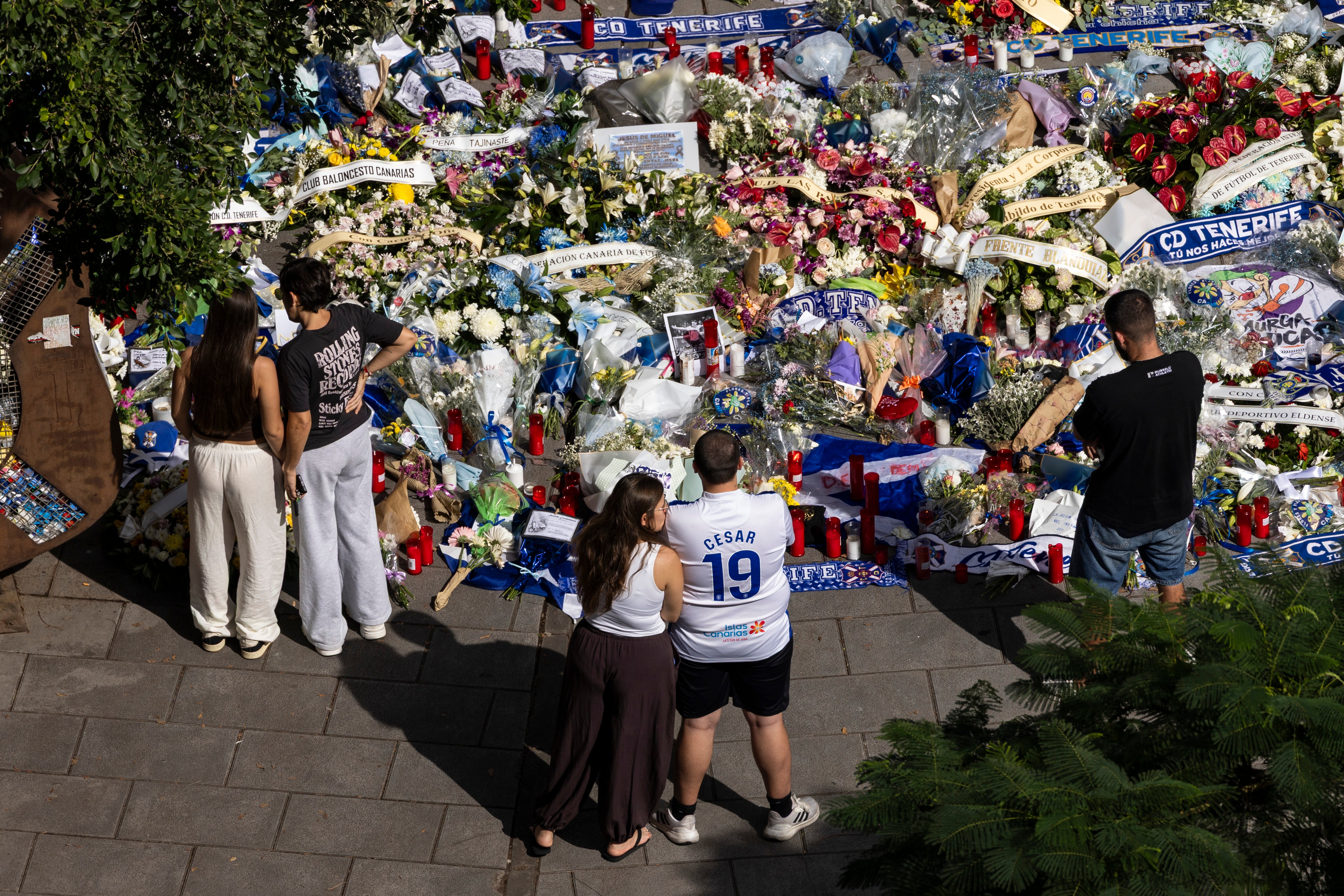
Supporters have gathered at Tenerife’s Heliodoro Rodriguez Lopez stadium to leave tributes. A memorial service for de Miguel is scheduled there for Saturday evening, with fans invited to attend. The stadium is where supporters usually gather around the club through the rhythms of a season; now, they’re using the same space to mourn a player. For those who attend, the memorial will offer a way to share grief with others who feel the loss.
What the response means for football
Barcelona forward Raphinha also paid tribute after scoring twice in his side’s Champions League win over Aston Villa. “Today I don't want to talk about football, I want to send a message to the family of Jesus - may he rest in peace,” he told CBS Sports. “From the club, I want to send a message of strength to the family.” His remarks redirected attention from the match and his own performance to de Miguel’s family. That choice carries weight precisely because football coverage so often moves quickly from one result to the next.
For clubs and players, public condolences are a familiar response to tragedy, but they can’t make a death easier to process or answer every question that follows. They can show that a player’s death is being recognised beyond his own team and supporters. And yet the most direct statements here remain the ones closest to the loss: Owono’s words about pain, and Raphinha’s message to the family.
If you're working in football, this is a reminder of how quickly a match can become secondary to the lives involved in it. The numbers here are underwhelming: there are no statistics that can explain the shock or measure what a family has lost. What matters now is the mourning, the memorial in Tenerife and the care with which the people involved are given room to respond. That’s the part many match reports can’t capture.