The unexpected spectacle of three red cards in the opening match of the 2026 FIFA World Cup paints a vivid picture of the increasing scrutiny being applied to player conduct. South Africa's national team, Bafana Bafana, found themselves at a severe disadvantage, ending the game with nine players after two players were dismissed while Mexico also faced a late expulsion, culminating in a rare triple red card match. This incident raises broader questions about player behavior and officiating standards in this pressure-packed tournament.
Key Incidents Shaping the Game
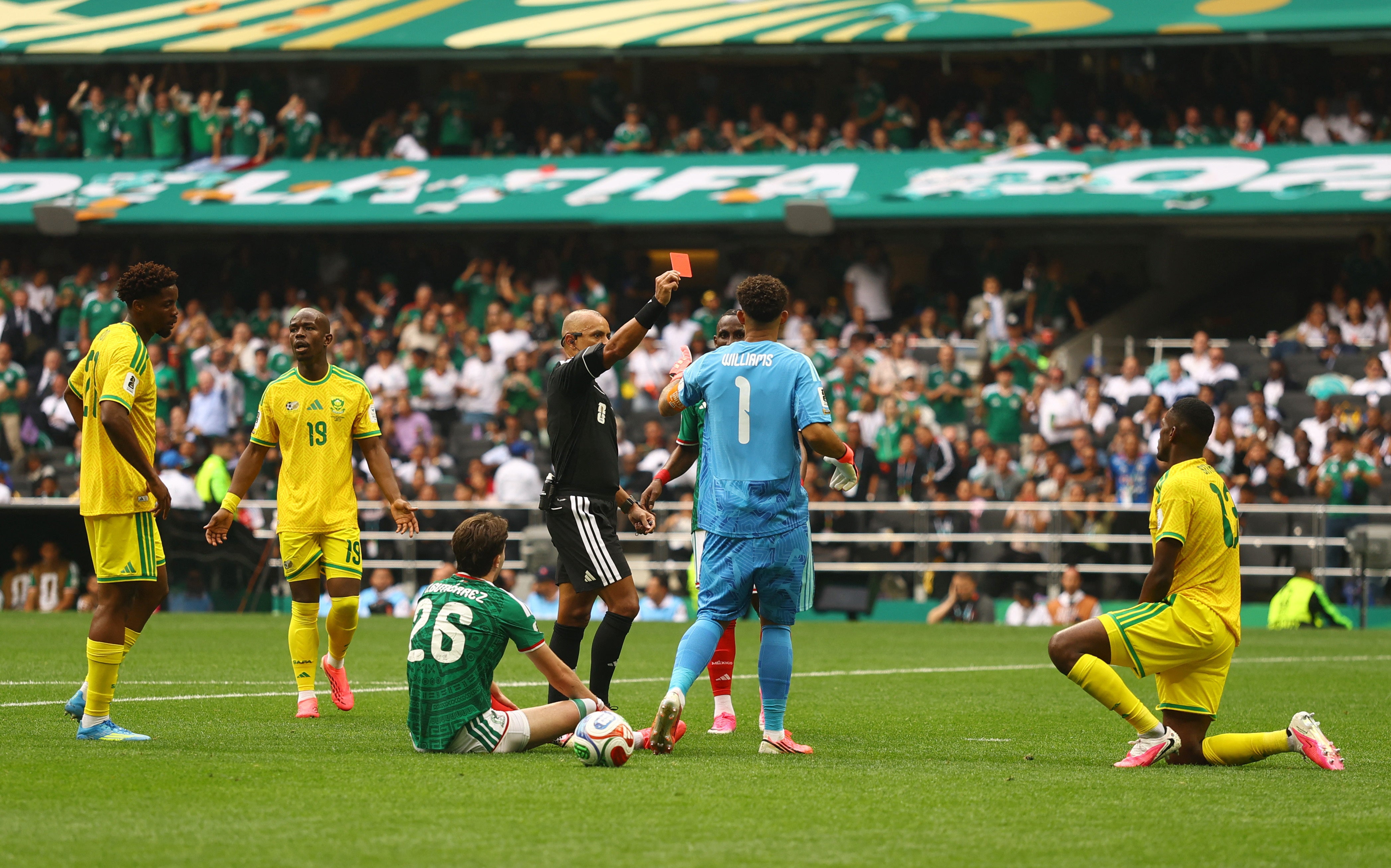
The game kicked off with immediate tension. South Africa's troubles began early when they fell behind to a goal from Julian Quinones within the first ten minutes, setting a daunting precedent for the rest of the match. The early goal not only put pressure on South Africa but also shifted the psychological dynamics, forcing them to chase the game—an uphill battle under any circumstances. As the match progressed, a significant turning point occurred in the 62nd minute when Sphephelo Sithole incurred a red card for denying an obvious goal-scoring opportunity after fouling Mexico’s Brian Gutierrez at the edge of the penalty area. This decision, while clear-cut, opened the floodgates for controversy—showing just how fine the margins can be in elite football.
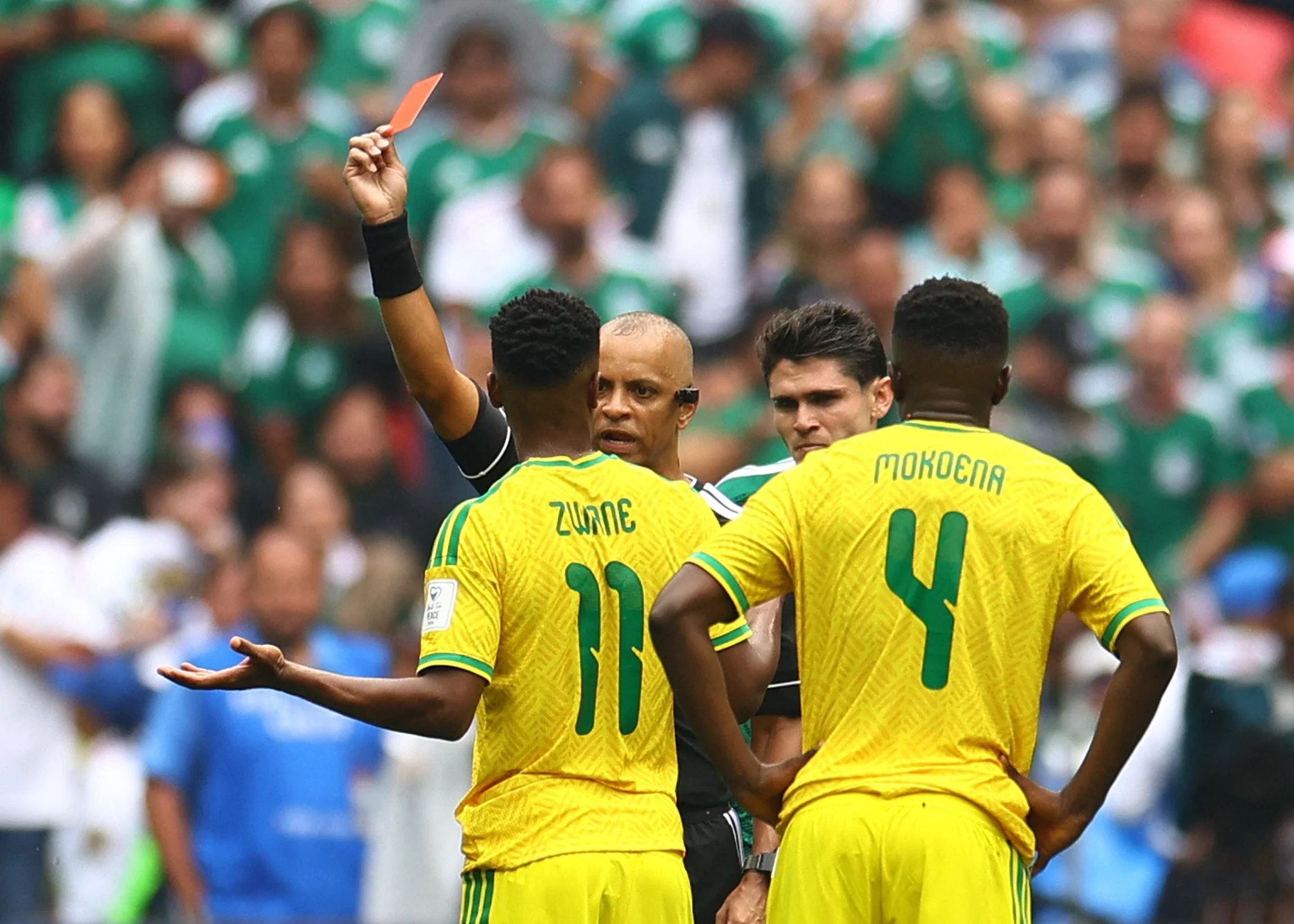
Then there was the 84th minute, a pivotal moment that ignited a firestorm of debate. Themba Zwane grappled with Mexico’s Roberto Alvarado in a manner deemed excessive by referee Wilton Sampaio. The VAR review, intended to clarify rather than complicate, resulted in Zwane's dismissal. Critics of the ruling questioned the nature of the decision, with many commentators weighing in on the perceived overreach by officials. What was seen as a natural movement within the chaotic environment of a football match suddenly became a matter of significant contention. This isn’t just about one match; it’s a broader critique of how officials enforce the rules under pressure.
Controversy Surfaces
The response to Zwane’s red card was swift and contentious. Many analysts viewed the decision as excessively harsh, noting how the context of the match may have skewed the referee’s judgment. Commentators such as Ally McCoist emphasized that his movements appeared natural, highlighting the discrepancy in how similar incidents have been judged in the past. This inconsistency in officiating creates uncertainty for players, coaches, and fans alike. Meanwhile, Landon Donovan critiqued the ruling, reinforcing the sentiment that this was a case of overreach from the officials, a worry that could loom large over future matches.
But the drama didn’t end there. In the game’s closing stages, Mexico's Cesar Montes received a red card for a foul on Khuliso Mudau as he attempted a penetrating run into the penalty area. Again, referee Sampaio relied on VAR to assess the situation. The decision to penalize Montes for denying a scoring opportunity further intensified discussions around officiating. The cumulative effect of these decisions contributed to a match that felt like it was more dictated by officiating than by the players' performances, casting a shadow on the event that many had eagerly anticipated.
Implications for Future Matches
This occurrence marks a significant moment in World Cup history, being the first time a match opener featured three red cards. Both teams will now feel the repercussions of their diminished squads, as Sithole and Zwane will miss South Africa’s crucial upcoming game against Czechia. Similarly, Montes will be absent in Mexico's clash with South Korea. FIFA holds the authority to impose further sanctions if deemed necessary, leaving a cloud of uncertainty hanging over both squads. The implications stretch beyond immediate match strategies; they’ll likely ripple through team morale and dynamics as they gear up for key fixtures.
What this means for you, if you're working in this space, is that individual player discipline has never been more vital. This match could serve as a case study, not just in officiating standards but also in player behavior under intense scrutiny. Maintaining composure in high-stakes situations is essential, and a moment of loss can ripple through an entire tournament. As teams review gameplay and strategy, the lesson is evident: discipline goes hand-in-hand with skill in these major competitions. (And this is the part most people overlook.) The narrative around player conduct and officiating will become a focal point in discussions about tournament integrity and performance, elevating the stakes for players and coaches alike.
Future Outlook
The incident sets a concerning precedent for how officiating may evolve throughout the tournament. If future referees adopt a similar stance toward scrutiny, teams might have to adjust their gameplay to remain compliant while navigating what could be perceived as a high-pressure, punitive environment. This situation could lead to conservative play, affecting the overall quality of matches. Players may become overly cautious, knowing that even minor infractions could lead to significant consequences. As such, the World Cup will serve as a litmus test for player behavior and refereeing standards, with each match becoming a case study in balancing aggression with compliance.
To sum it up, expect ongoing debate surrounding officiating as teams strive to balance their tactics with the realities of increasingly vigilant refereeing. The implications of this match stretch beyond the immediate context—it may very well influence the narrative around player conduct for World Cups to come.